
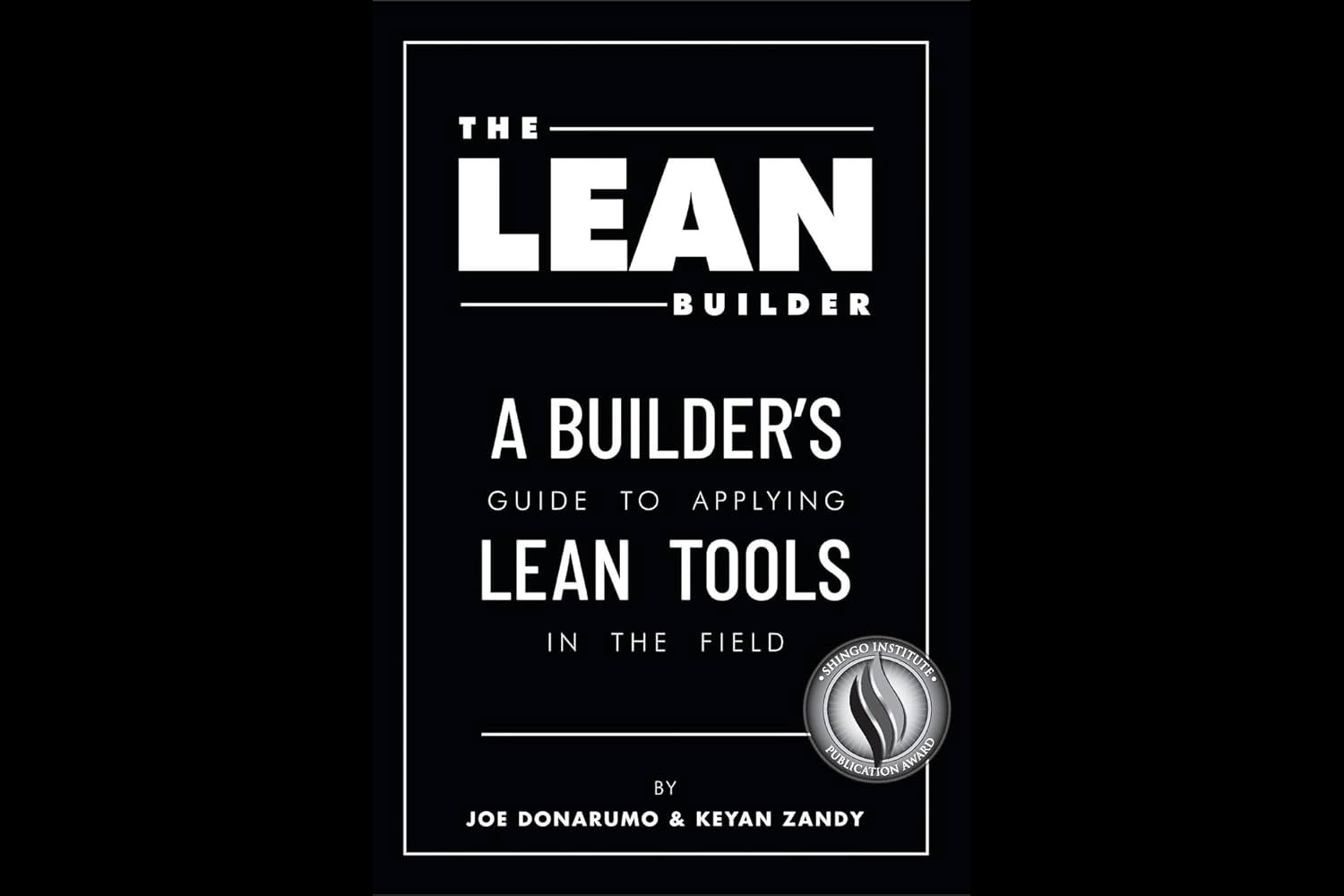
The Lean Builder is a practical and digestible construction fable about Sam and his mentor Alan. Sam faces all the pitfalls and friction points that any construction manager reader can relate to. But with the help of Alan, he tightens the construction team up and delivers the project on time and safely. This book holds principles that have become applicable for Webb Construction and its site leadership.
Lean Builder is what introduced Webb’s team to terms like Muda and ELMO. Muda is a term for waste and wastefulness. The author clearly identifies the various forms of waste on a construction site and structures the eight wastes into a memorable acronym, DOWNTIME. A key waste that was recurring with Webb was Inventory. There is a tempting idea to schedule your material on site and in your possession ahead of schedule. That could lead to multiple Muda, from Inventory to Damage to Movement to Over Production to Transportation. In the past, there would be too much temptation to deliver finished material on site because some of the trade partners could not store the material. After the material was delivered (during the rough stage) it would get trampled, or it would have to be moved several times to clear the runway for current work on the project. And then eventually when the time came for the installation of the finish material, it would be lost or damaged and this would lead to expedite costs, delays, or irreplaceable finishes. Webb and its managers began to apply the lens from Lean Builder not only to the jobsite but also to their vocabulary. It has eliminated duplicate work and reduced lost time from retracing project steps. This loss was time that had never been recouped on projects in the past. To use the lessons from this book and take the time to assemble a proper procurement and delivery schedule for any upcoming project (may drive the design team crazy), but it serves the project and reduces friction for the client.
This book also illustrates the power of frequent communication with the project team. Previous generations would walk the job with the trade partners and then leave them to their own agenda. “Here’s the site, here’s the plans, get it done” was the outdated method. What Lean Builder has helped pave with Webb is the value in daily check-ins and morning huddles with multiple trades included in the conversation. This has allowed the prevention of trades working over each other and congesting in the same area. In today’s detail oriented and complex construction environment, project managers and project oversight must include their trade partners in daily updates and weekly activity mapping. These regular meetings also give the whole project team the opportunity to adjust their efforts and calibrate their deliveries and installs.
As Webb Construction grows and matures, its management team has implemented the lessons from Lean Builder especially during the project’s pre-construction phase. During this phase, Webb assembles a thorough procurement schedule which establishes a timeline for the necessary decisions, selections, and design commitments. Preconstruction also allows an opportunity to lay out the job site for flow, system, and efficiency. This includes optimal placement of the job office, staging area, jobsite restrooms, security measures, parking, signage, and other active jobsite components.
Most inefficiencies on a jobsite are not caused by lack of effort, but by lack of alignment. Webb Construction has embraced The Lean Builder for its ability to get the management team on the same page and establish strong core values. It has streamlined the company language and helped build stronger systems and processes during pre-construction and active construction. Lean Builder has become the introductory required reading for all of Webb’s incoming staff.